Robotic Cleaners & Vacuums
Polaris Vac-Sweep 280 Review
One of the longest-running pressure-side cleaners there is. Whether it is right for you comes down to what is already plumbed into your pool.
We have not handled these products and we do not pretend to have. Here is what we did instead. Links to Amazon earn us a commission at no extra cost to you, and commission never decides a pick — disclosure.
| # | Product | Best for | The spec it turns on | Price |
|---|---|---|---|---|
| 1 | 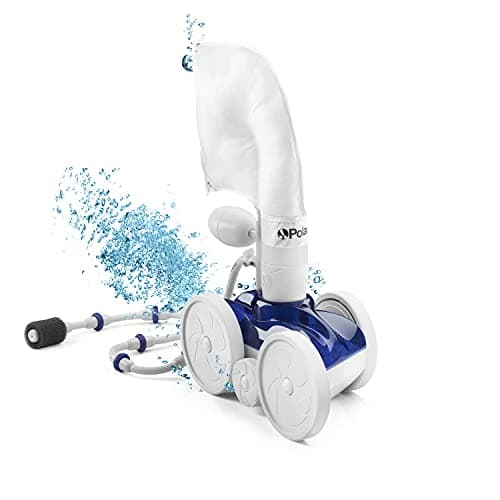 Polaris Vac-Sweep 280 Pressure-Side CleanerTop pickMakes sense only if your pool already has the booster pump plumbed in. Retro-fitting one to save money on the cleaner is backwards. | Pools already plumbed for a booster pump | Double venturi jet-powered, 31 ft of hose, requires a booster pump | |
| 2 | 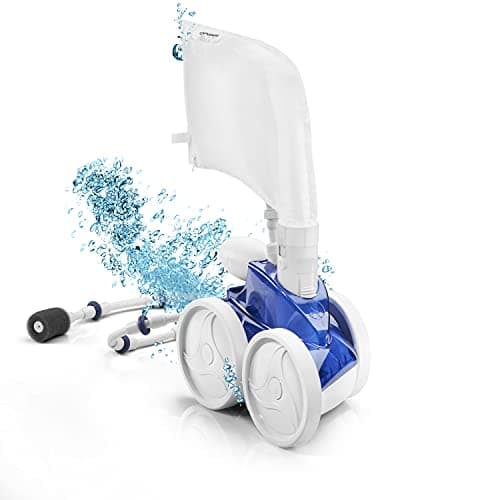 Polaris Vac-Sweep 380 Pressure-Side In-Ground Pool CleanerThe same machine as the 280 in every stated respect except one: a third venturi jet, which is where the extra vacuum comes from. | The 280 with a third jet | Booster pump required; 3 venturi jets; 2.25 in inlet; single-chamber filter bag; 31 ft feed hose; stated to clean any in-ground pool in 3 hours or less | |
| 3 | 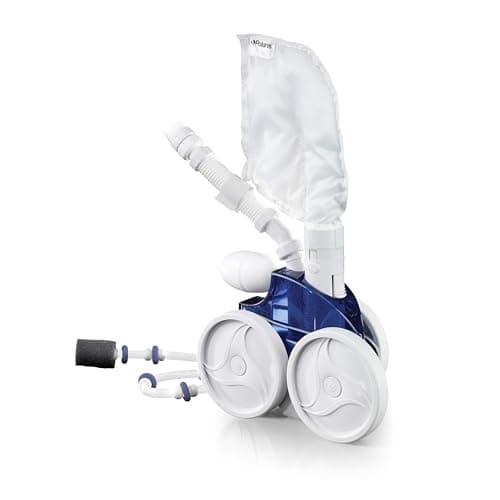 Polaris Vac-Sweep 360 Pressure-Side In-Ground Pool CleanerThe Polaris for a pool with no booster pump - provided the pool has a cleaner return line, which is the condition that decides everything. | No booster pump | No booster pump needed - runs on return-line pressure; needs a dedicated cleaner return or retrofit eyeball kit 9-100-8001; 3 venturi jets; 2.25 in inlet; 31 ft hose | |
| 4 | 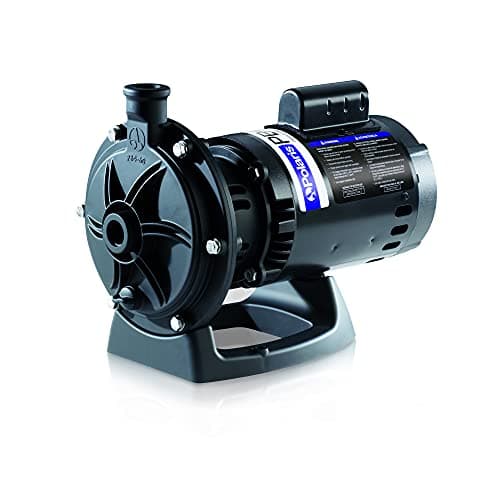 Polaris PB4-60 Booster Pump with 60-Hertz MotorThe part that makes a 280 work, and the part that makes a 280 expensive if your pool does not already have one. | Powering a 280 or 380 | 3/4 HP booster pump with a 60 Hz motor; stated to fit Zodiac Polaris pressure cleaners | |
| 5 |  Polaris 9550 Sport Robotic Pool CleanerA 60 ft rating and a 70 ft cable, which is the pairing that lets a corded robot reach the far end of a long pool without dragging. | Long pools | Rated for in-ground pools up to 60 ft, with a 70 ft swivel cable |
What this review is
We have not run a Vac-Sweep 280. What follows is its published specification, read against the two Polaris cleaners it is most often confused with and against the booster pump it cannot run without. Polaris's own website renders client-side and returned no readable text, so every figure here comes from the maker's feature text on the live listings, verified on 2026-09-16.
The published figures
| Specification | Polaris's published figure |
|---|---|
| Type | Pressure-side, for in-ground pools |
| Power | A separate Polaris booster pump |
| Jets | Dual venturi jets |
| Inlet | 2.25 in |
| Debris | Single-chamber filter bag - leaves, acorns, pebbles |
| Hose | 31 ft of feed hose included |
| Cleaning time | Any in-ground pool in 3 hours or less |
| Surfaces | Vinyl, fiberglass, gunite, pebble and tile |
| Cleans | Floor and walls |
| Suction figure | Not stated |
| Booster electrical draw | Not stated |
It is a short list, and one line of it matters more than all the others together.
The booster pump is the whole decision
A pressure-side cleaner is driven by water pumped into it. On the 280 that water comes from a dedicated booster pump - a second pump, separate from the main filter pump, plumbed in specifically to run the cleaner. The listing states it plainly: the 280 is "powered by a separate Polaris booster pump".
That produces two completely different purchases depending on your pool. If a booster is already installed and working - common on older in-ground pools that were built around a pressure cleaner - the 280 is a self-contained replacement you connect and drop in. If there is no booster, the 280 is the smaller half of the spend: you are also buying a pump and paying to have it plumbed and wired.
280, 380 and 360, side by side
| Vac-Sweep 280 | Vac-Sweep 380 | Vac-Sweep 360 | |
|---|---|---|---|
| Booster pump | Required | Required | Not needed - uses return-line pressure |
| Venturi jets | Dual | 3 | 3 |
| Inlet | 2.25 in | 2.25 in | 2.25 in |
| Feed hose | 31 ft | 31 ft | 31 ft |
| Stated cleaning time | 3 hours or less | 3 hours or less | Not stated |
| Plumbing condition | A working booster | A working booster | A dedicated cleaner return, or retrofit kit 9-100-8001 |
Read across the rows and the three machines separate cleanly. The 280 and 380 are the same design with a different number of jets. The 360 is the one that removes the booster from the equation, in exchange for a condition on your plumbing.
Two jets or three
The venturi jets are what convert the incoming water pressure into suction at the inlet. Polaris states dual jets on the 280 and three on the 380, and states every other figure identically between them - the same 2.25 in inlet, the same bag, the same hose, the same 3-hour cleaning claim. The third jet is the entire upgrade.
Neither listing publishes a suction figure, so the benefit cannot be put in numbers. What can be said is where it would matter: on a pool that collects heavy debris - acorns, pine cones, grit blown off a deck - more suction is the specification that gets it off the floor. On a pool that mostly sees leaves and dust, two jets is enough, and the 280 is the sensible choice of the two.
The 360, and the condition attached to it
Polaris states that the Vac-Sweep 360 needs no booster pump: it is propelled by the water pressure coming from the pool's own return line. On a pool without a booster, that removes both the second purchase and the second motor running for three hours every cycle.
The condition is in the same listing. It attaches easily to a pool with a dedicated cleaner return line, and a standard return can be retrofitted with an eyeball kit, part 9-100-8001. Because it is powered by whatever pressure your main pump delivers to that return, a pool with a weak pump or a long plumbing run may not drive it well. That is worth checking with whoever maintains your equipment before you buy - but if your pool qualifies, the 360 is the more economical Polaris for a pool starting from nothing.
What the booster adds to every cycle
Polaris's PB4-60 booster is stated as a 3/4 HP pump. The listing does not publish its electrical draw, and horsepower is a rated mechanical output rather than an electrical input - but it does set a floor that can be worked out honestly.
None of this makes the 280 a poor cleaner. It makes it a cleaner whose running cost is set by a second pump, which is a real line on the electricity bill and one the robot and the 360 do not carry.
Against a robot
Polaris also makes robots, and the 9550 Sport is the natural comparison: rated for in-ground pools up to 60 ft with a 70 ft swivel cable, and needing no booster, no dedicated return and no plumbing at all. It plugs into an outlet. The trade is that a robot's filter holds what it collects inside the machine, while the 280's bag is an open-mouthed debris catcher with a 2.25 in inlet designed for leaves and acorns.
For a pool starting from nothing, a robot or the 360 avoids the booster question entirely. For a pool that already has a working booster, the 280 uses infrastructure you have already paid for, and on a leaf-heavy pool its large inlet is a genuine advantage. The full corded-against-cordless and robot-against-manual arguments are on robot vs manual vacuum and the Polaris range page.
The bag, and why it matters for leaves
The 280 collects into its own single-chamber filter bag rather than sending debris to the pool's skimmer basket or main filter. Polaris states the same on the 360 - that the bag catches debris before it reaches the pump basket or filter, prolonging the life of the filtration system. On a pool under trees that means the main filter does not blind in autumn, and emptying the bag is the whole maintenance job.
What a bag of this kind does not do is hold fine silt. Fine particles pass through and circulate, which is the job of the main filter - see best pool vacuum for sand and fine dirt if that is your pool's actual problem.
The picks
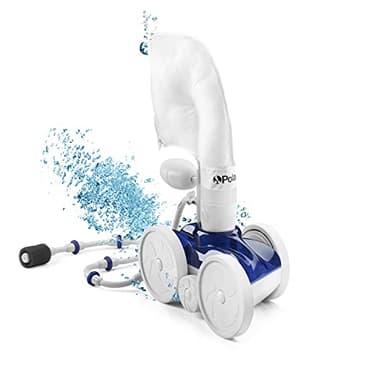
Top pick - Pools already plumbed for a booster pump
Polaris Vac-Sweep 280 Pressure-Side Cleaner
Makes sense only if your pool already has the booster pump plumbed in. Retro-fitting one to save money on the cleaner is backwards.
The published figure
Double venturi jet-powered, 31 ft of hose, requires a booster pump
Pressure-side cleaners run on water pressure from a dedicated booster pump. Many older in-ground pools were plumbed for one, and in that case the cleaner is inexpensive and the infrastructure is already paid for.
If your pool has no booster pump, adding one costs more than the difference between this and a robot, and it adds a second pump's electricity to every cycle.
Its debris goes into its own bag rather than through the filter, which is genuinely useful for leaves.
What it does well
- Cheap to buy if the booster pump already exists
- Handles leaves in its own bag rather than through the filter
- Long-established design with plentiful spares
What it costs you
- Requires a booster pump, which is an expensive retrofit
- Runs a second pump's worth of electricity every cycle
- Does not clean the waterline
Skip it if your pool has no booster pump. The retrofit cost makes this the expensive option, not the cheap one.
#ad · how this is funded · price as of October 9, 2026
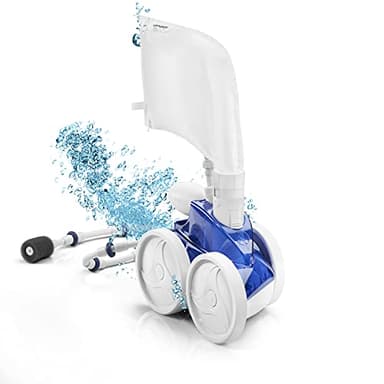
Pick 2 - The 280 with a third jet
Polaris Vac-Sweep 380 Pressure-Side In-Ground Pool Cleaner
The same machine as the 280 in every stated respect except one: a third venturi jet, which is where the extra vacuum comes from.
The published figure
Booster pump required; 3 venturi jets; 2.25 in inlet; single-chamber filter bag; 31 ft feed hose; stated to clean any in-ground pool in 3 hours or less
Polaris states 3 venturi jets on the 380 against dual jets on the 280. The jets are what turn the booster's pressure into suction, so a third one is the whole of the upgrade - the inlet, the bag, the hose and the 3-hour cleaning claim are stated identically on both listings.
It needs the same separate booster pump the 280 does. If you are buying a booster anyway, the choice between the two is only about whether the third jet is worth the difference.
On a pool that collects heavy debris - acorns, pine cones, grit - more suction is the specification that matters. On a pool that mostly gets leaves and dust, the 280 is enough.
What it does well
- Three venturi jets against the 280's two, per the listings
- Same 2.25 in inlet and filter bag, so large debris is handled identically
- Uses the same booster pump, so it is a drop-in alternative
What it costs you
- Still needs a separate booster pump
- Costs more than the 280 for one additional jet
- No published suction figure, so the benefit of the third jet cannot be quantified
Skip it if your pool mostly collects light leaves and dust. The 280's two jets handle that, and the difference buys you nothing you will see.
#ad · how this is funded · price as of October 9, 2026
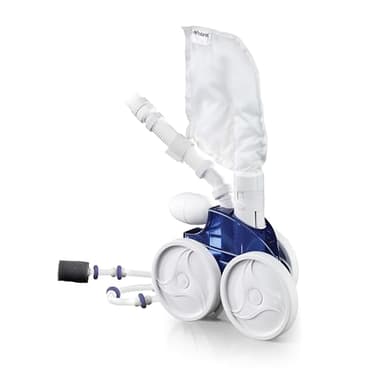
Pick 3 - No booster pump
Polaris Vac-Sweep 360 Pressure-Side In-Ground Pool Cleaner
The Polaris for a pool with no booster pump - provided the pool has a cleaner return line, which is the condition that decides everything.
The published figure
No booster pump needed - runs on return-line pressure; needs a dedicated cleaner return or retrofit eyeball kit 9-100-8001; 3 venturi jets; 2.25 in inlet; 31 ft hose
Polaris states the 360 needs no booster pump: it runs on the water pressure coming from the pool's own return line. That removes the most expensive part of owning a 280, and the second pump motor running for three hours at a time.
The condition is plumbing. The listing states it attaches easily to a pool with a dedicated cleaner return line, and that a standard return can be retrofitted with an eyeball kit, part 9-100-8001. Without enough pressure at that return it will not move well, so check your plumbing before you buy.
It carries 3 venturi jets like the 380, the same 2.25 in inlet and bag, and the same 31 ft feed hose.
What it does well
- No separate booster pump to buy, plumb or run
- Three venturi jets, per the listing
- Filter bag keeps debris out of the pool pump basket and main filter
What it costs you
- Depends on adequate return-line pressure from your main pump
- May need a retrofit kit on a pool without a dedicated cleaner return
- Sold here by a third-party pool retailer rather than Amazon itself
Skip it if your pool already has a working booster pump. You have paid for the part the 360 exists to avoid, and the 280 or 380 uses it.
#ad · how this is funded · price as of October 9, 2026
Pick 4 - Powering a 280 or 380
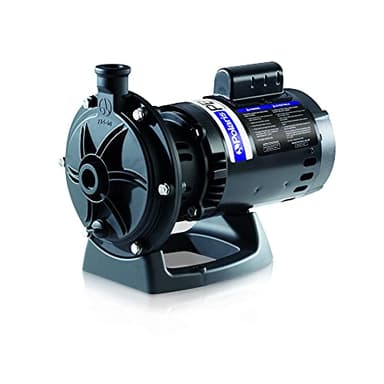
Polaris PB4-60 Booster Pump with 60-Hertz Motor
The part that makes a 280 work, and the part that makes a 280 expensive if your pool does not already have one.
The published figure
3/4 HP booster pump with a 60 Hz motor; stated to fit Zodiac Polaris pressure cleaners
The 280 and 380 listings both state the cleaner is powered by a separate Polaris booster pump. This is Polaris's own: a 3/4 HP pump with a 60 Hz motor, stated to fit Zodiac Polaris pressure cleaners.
If your pool already has a booster installed and working, you do not need this. If it does not, this is a second pump to buy and have plumbed in, and it is the reason the true entry cost of a 280 is well above the cleaner alone.
Several third-party pumps are sold as PB4-60 replacements. This is the Polaris-branded unit, which is the one to match to a Polaris cleaner.
What it does well
- Polaris's own booster, matched to its pressure cleaners
- 3/4 HP stated on the listing
- Replaces a failed booster on an existing 280 or 380 installation
What it costs you
- A second pump to buy, plumb in and run
- Electrical draw in watts is not published
- Adds meaningfully to the running cost of every cleaning cycle
Skip it if you have not bought a cleaner yet and your pool has no booster. Price the 360 or a robot first, because both avoid this purchase entirely.
#ad · how this is funded · price as of October 9, 2026
Pick 5 - Long pools
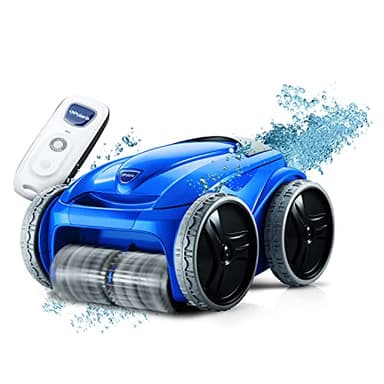
Polaris 9550 Sport Robotic Pool Cleaner
A 60 ft rating and a 70 ft cable, which is the pairing that lets a corded robot reach the far end of a long pool without dragging.
The published figure
Rated for in-ground pools up to 60 ft, with a 70 ft swivel cable
Cable length has to exceed the pool length by a margin, or the robot spends the cycle fighting a taut cord. Polaris publishes both figures here, which makes the sizing check trivial.
The swivel is what stops the cable twisting into a knot over a long cycle. It is a small feature that decides whether a corded robot is tolerable.
For pools over 50 ft this is one of the few units that publishes a rating that covers them.
What it does well
- 60 ft pool rating with a 70 ft cable published together
- Swivel cable reduces tangling on long cycles
What it costs you
- Corded
- Heavier than the cordless units
Skip it if your pool is under 40 ft — you are paying for reach you cannot use.
#ad · how this is funded · price as of October 9, 2026
Who should buy it
- **A pool with a working booster pump already installed.** This is the case the 280 was designed for, and in it the cleaner is the only purchase.
- **A pool that collects leaves and acorns.** The 2.25 in inlet and the separate bag keep large debris out of the main filter.
- **An owner replacing a worn 280.** Same booster, same return, same hose connection - it is a like-for-like swap.
Who should not
- **A pool with no booster pump.** Buying one to run this cleaner makes the 280 the expensive option. Look at the 360, a robot, or a suction-side cleaner that runs off the pump you already have.
- **A pool whose debris is mostly fine dirt and silt.** A bag this open does not hold it; a robot with a stated fine filter does.
- **Anyone watching running costs closely.** The booster adds at least 1.68 kWh per three-hour cycle on its rated output alone.
- **An above-ground pool.** The listing states in-ground pools only - see best above-ground pool vacuum.
Questions people actually ask
Is the Polaris Vac-Sweep 280 worth it?
Does the Polaris 280 need a booster pump?
What is the difference between the Polaris 280 and 380?
What is the difference between the Polaris 280 and 360?
How long does the Polaris 280 take to clean a pool?
How much electricity does a Polaris 280 booster pump use?
Sources
Every figure on this page traces to one of these. Where a number could not be sourced, the page says so rather than estimating.
- Skim & Soak methodology - the constants, formulas and worked examples behind every dose on this site
- Polaris Vac-Sweep 280 Pressure-Side In-Ground Pool Cleaner, booster pump required, dual venturi jets - Amazon listing, read 2026-09-16
- Polaris Vac-Sweep 380 Pressure-Side Pool Cleaner, triple jet, booster pump required - Amazon listing, read 2026-09-16
- Polaris Vac-Sweep 360 Pressure-Side Cleaner, no booster pump, return-line pressure - Amazon listing, read 2026-09-16
- Polaris PB4-60 Booster Pump with 60-Hertz Motor, 3/4 HP - Amazon listing, read 2026-09-16
Read next

Best for long pools
Polaris Pool Cleaners
Pressure-side, suction-side and cordless robots, and the booster-pump question that decides which is genuinely cheap.
Top pick
Polaris Freedom Plus Cordless Robotic Pool Cleaner
In-ground pools up to 50 ft, cordless
#ad · how this is funded · price as of October 9, 2026
Dolphin vs Polaris
Dolphin's robot-only range against Polaris's pressure-side heritage and cordless present, and which suits your plumbing.
Top pick
Dolphin Nautilus CC Plus Wi-Fi Robotic Pool Vacuum
In-ground pools up to 50 ft
#ad · how this is funded · price as of October 9, 2026
Robot vs Manual Pool Vacuum
Manual, suction-side, pressure-side and robotic compared on cost, filter load and what each one actually cleans.
Top pick
POOLWHALE Pool Vacuum Head and 36 ft Hose Kit
The complete manual kit
#ad · how this is funded · price as of October 9, 2026
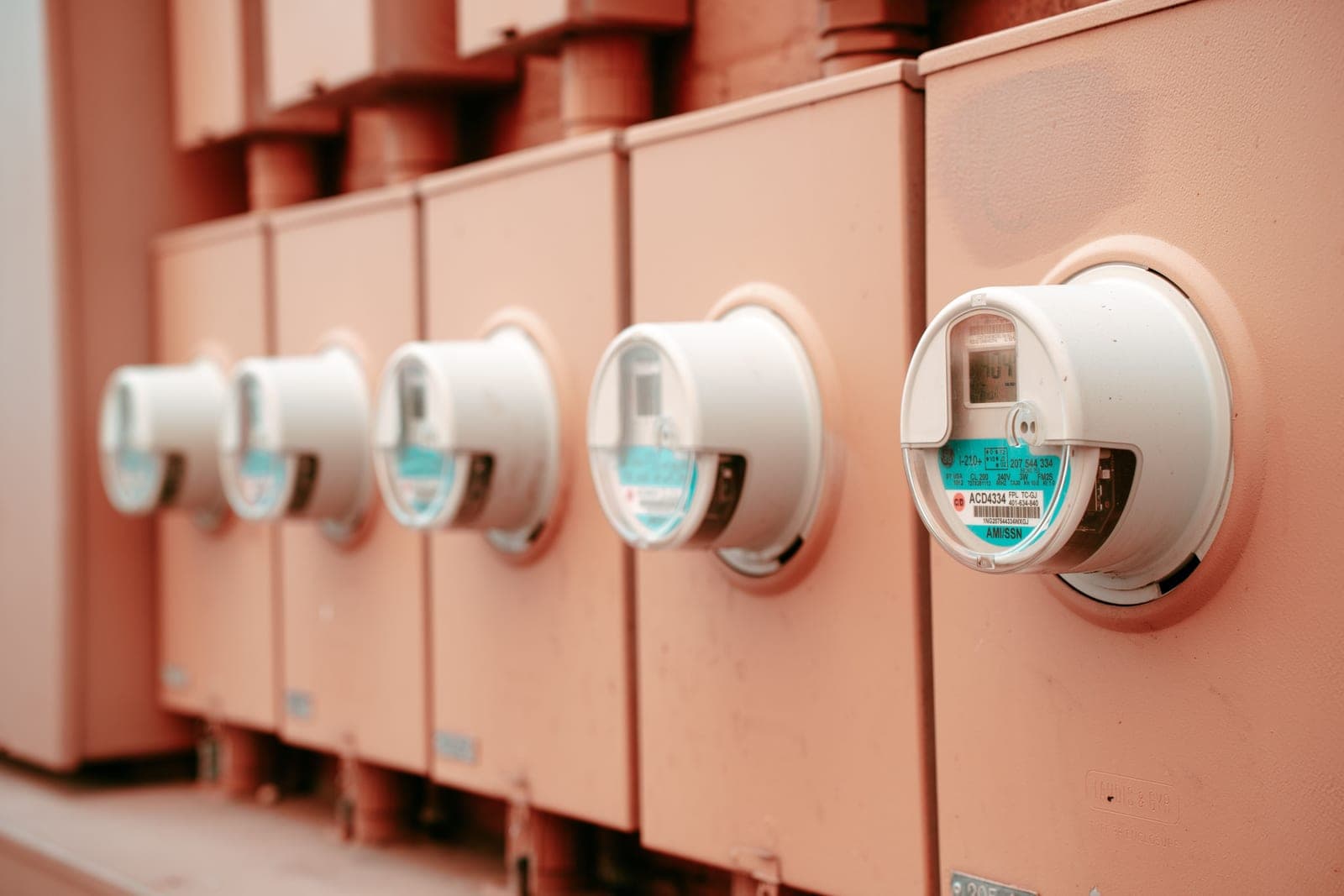
What a Robotic Pool Cleaner Costs to Run
Electricity per cycle and per season, computed from published power draw, plus the consumables that cost more than the power does.
Top pick
Dolphin Nautilus CC Plus Wi-Fi Robotic Pool Vacuum
In-ground pools up to 50 ft
#ad · how this is funded · price as of October 9, 2026

Best robotic cleaner
Best Robotic Pool Cleaners
Corded and cordless robots compared on coverage per cycle, micron rating and runtime, with the sizing rule that decides it.
Top pick
Dolphin Nautilus CC Plus Wi-Fi Robotic Pool Vacuum
In-ground pools up to 50 ft
#ad · how this is funded · price as of October 9, 2026