Green Water & Algae
How to Get Rid of Black Algae
The only algae that chlorine genuinely cannot reach. Breaking the crust is the treatment; the chemical is what finishes it.
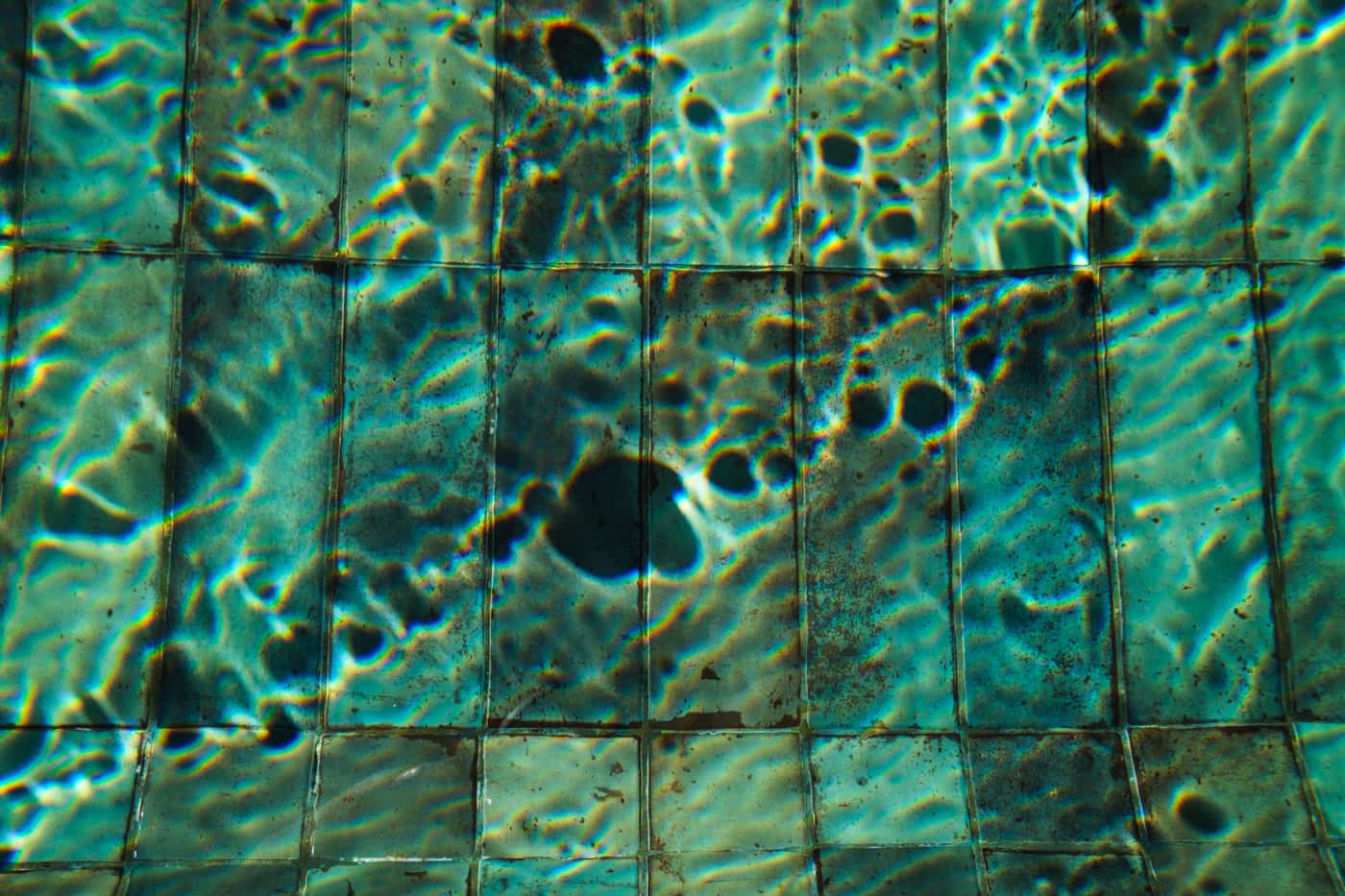
We have not handled these products and we do not pretend to have. Here is what we did instead. Links to Amazon earn us a commission at no extra cost to you, and commission never decides a pick — disclosure.
| # | Product | Best for | The spec it turns on | Price |
|---|---|---|---|---|
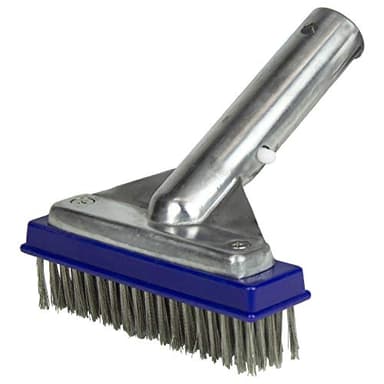
| 1 | 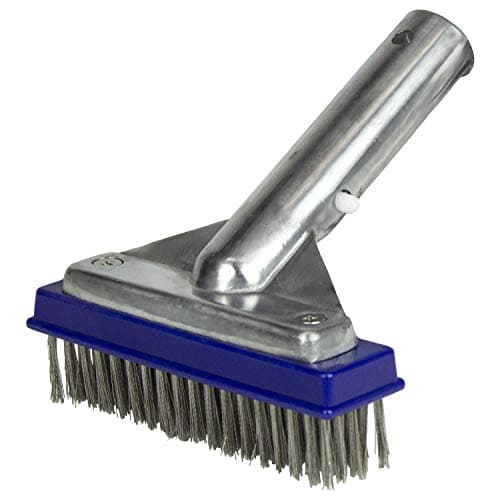 Poolmaster 5-Inch Stainless Steel Pool Algae Detail BrushTop pickThe narrow brush that reaches into the grout lines and corners where black algae actually anchors. | Spot-treating black algae | 5 in stainless steel bristles on an aluminum back, for gunite and concrete | |
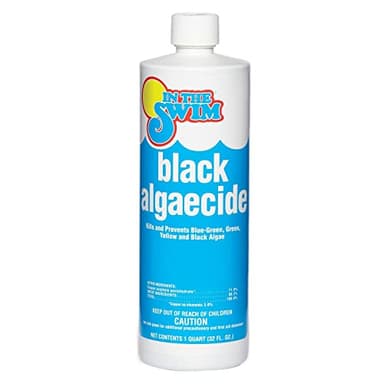
| 2 | 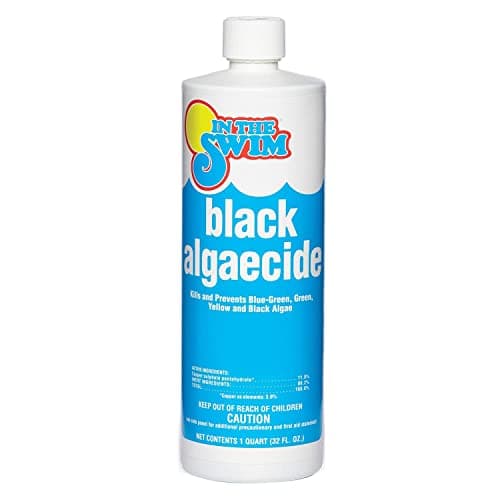 In The Swim Black Algaecide, copper sulfate pentahydrate, 1 quartThe right chemistry for black algae and an actively bad idea for anything else, which is exactly how the maker positions it. | Black algae in plaster | Copper sulfate pentahydrate, sold specifically for black algae | |
| 3 | 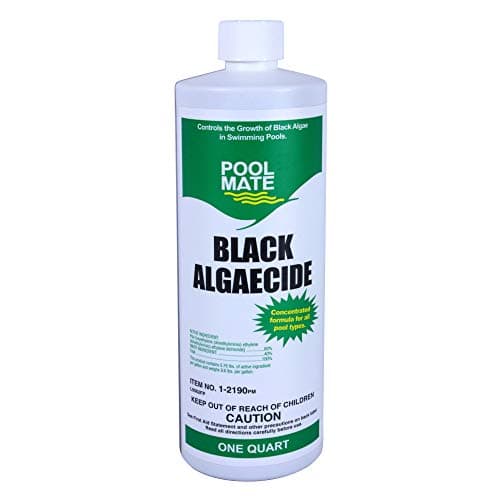 Pool Mate Premium Black Algaecide, 1 quartA 60% polyquat that names black algae and publishes its dose rate, which is the copper-free route to a problem usually treated with copper. | Black algae without copper | 60% polyquat; listing states 4 fl oz per 10,000 gallons weekly and names black algae specifically | |
| 4 | 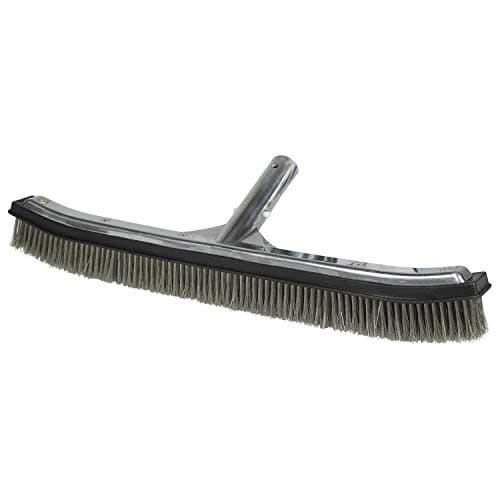 Poolmaster 18-Inch Stainless Steel Pool Algae BrushStainless bristles on a concrete pool are the step that makes the shock work, and the cheapest item in any of these roundups. | Brushing before you shock | 18 in stainless steel bristles on an aluminum back, for gunite and concrete | |
| 5 | 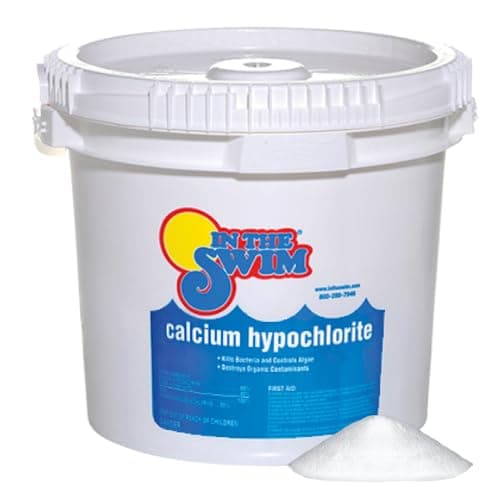 In The Swim Pool Shock, 68% Cal-Hypo Granular, 25 lbThe highest available-chlorine percentage in common retail cal-hypo, sold loose so you dose by weight instead of by packet. | Clearing an algae bloom | 68% available chlorine, calcium hypochlorite, sold loose by the pound |
Why this one is different
Green algae floats and dies when you shock it. Mustard algae hides and comes back. Black algae does something neither of the others does: it builds a physical shield over itself and puts root-like structures down into the pool surface.
That shield is the whole problem. You can hold free chlorine at shock level for a week and the organism underneath is simply not in contact with it. This is the one case on this site where the chemical is genuinely not the answer - the brush is.
Confirming it is black algae
Before spending weeks on this, be sure. Our algae identification guide covers all three, and the short version for this one:
| Black algae | A stain | Mold or dirt | |
|---|---|---|---|
| Appearance | Small raised spots with a crust | Flat, level with the surface | Sits on top, no structure |
| Brushes off? | Resists hard; lightens under pressure | No change at all | Wipes away easily |
| After brushing | Leaves a visible pit or mark where it anchored | Unchanged | Gone |
| Location | Rough plaster, grout lines, corners, steps | Anywhere, often a drip pattern | Anywhere |
| Returns? | Yes, same spot, within days | Was never alive | Only if the source returns |
It is far more common in gunite and plaster than in vinyl, because it needs a rough surface to anchor into. If you have a vinyl liner and think you have black algae, it is much more likely to be a stain or mold on the liner surface.
The protocol
- **Test and balance first.** pH into 7.2 to 7.6, because both chlorine and copper behave badly outside it - see how to balance pool water. Copper in particular stains at high pH, and a copper algaecide is likely part of this treatment.
- **Brush each spot hard with a stainless brush.** This is the treatment step, not preparation. The goal is to break the protective crust, not to remove the spot - it will not come away in one pass and it does not need to. Use a small detail brush so your force concentrates on the spot rather than spreading across a wall.
- **Apply algaecide directly to the brushed area.** Not broadcast across the pool. Some owners turn the pump off, let the water still, and apply the treatment right at the spot so it sits there rather than dispersing.
- **Hold elevated free chlorine** while you work through it. See the dose tables for your volume. Chlorine cannot penetrate an intact crust, but it finishes what the brushing exposes.
- **Run the filter continuously** and clean it after each round. You are putting a lot of organic material into suspension.
- **Repeat every two or three days.** Black algae takes weeks. Anyone promising a weekend fix is describing a different problem.
Copper or polyquat
This is the one real product decision, and both sides have a genuine case.
| Copper | Polyquat 60 | |
|---|---|---|
| Speed against established black algae | Faster | Slower |
| Staining risk | Real, and rises with pH | None |
| Green hair complaint | Possible | No |
| Also useful for | Little else you should be using it for | Ongoing prevention across all algae |
| Published dose rate | Varies by product | Pool Mate states 4 fl oz per 10,000 gal weekly |
| Best when | The infestation is established in rough plaster | You are preventing a return, or pH runs high |
The pragmatic answer for most pools: copper to break an established infestation, then polyquat to hold the ground you took. Using copper indefinitely is how people end up with metal staining, which is a slower, more expensive problem than the one they were solving.
The picks
Top pick - Spot-treating black algae
Poolmaster 5-Inch Stainless Steel Pool Algae Detail Brush
The narrow brush that reaches into the grout lines and corners where black algae actually anchors.
The published figure
5 in stainless steel bristles on an aluminum back, for gunite and concrete
An 18 inch wall brush sweeps a wall. It cannot put meaningful pressure into a two-inch patch in a grout line, and pressure is the entire mechanism against black algae.
Black algae grows a protective layer that chlorine cannot penetrate. Breaking that crust is what lets any treatment reach the organism, and a small head concentrates your force on the spot rather than spreading it over a wall.
Stainless is for gunite, concrete and plaster only. On a vinyl liner it will cut.
What it does well
- Concentrates pressure on a small area, which is what the job needs
- Reaches grout lines, corners and steps a wide brush skims over
- Costs a fraction of the chemicals it makes work
What it costs you
- Useless for routine wall brushing
- Stainless will damage a vinyl liner
Skip it if your pool has a vinyl liner. Black algae is rare on vinyl and stainless will cut it.
#ad · how this is funded · price as of October 9, 2026
Pick 2 - Black algae in plaster
In The Swim Black Algaecide, copper sulfate pentahydrate, 1 quart
The right chemistry for black algae and an actively bad idea for anything else, which is exactly how the maker positions it.
The published figure
Copper sulfate pentahydrate, sold specifically for black algae
Black algae anchors into plaster and grows a protective layer that ordinary chlorine cannot penetrate. Copper is one of the few actives that reaches it, which is why this product exists as its own SKU rather than a general algaecide.
Brushing is not optional here. A stainless brush breaks the protective layer so the chemical can reach the organism; without that step you are treating a shell.
Copper stains. Use it for the identified problem, then stop.
What it does well
- Purpose-made for the one algae type that resists chlorine
- Named single active ingredient, so you know what you are adding
What it costs you
- Copper staining risk on plaster and on light-colored liners
- Useless against ordinary green algae relative to shock
- Requires aggressive brushing to work at all
Skip it if you have not positively identified black algae. Green spots that brush away easily are ordinary algae and need shock, not copper.
#ad · how this is funded · price as of October 9, 2026
Pick 3 - Black algae without copper
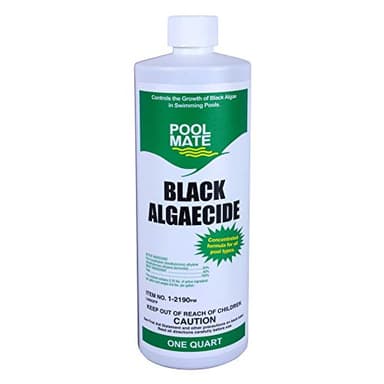
Pool Mate Premium Black Algaecide, 1 quart
A 60% polyquat that names black algae and publishes its dose rate, which is the copper-free route to a problem usually treated with copper.
The published figure
60% polyquat; listing states 4 fl oz per 10,000 gallons weekly and names black algae specifically
Most black-algae products are copper-based, and copper stains. This is polyquat at the same 60% concentration as a general-purpose preventative, marketed at black algae specifically.
The listing states 4 fl oz per 10,000 gallons weekly. That is a real, checkable rate, and it lets you work out what a quart costs to run before you buy it - a quart is eight weekly doses for a 10,000-gallon pool.
It still will not work without brushing. Nothing reaches black algae through its protective layer, whatever the active ingredient.
What it does well
- 60% polyquat, the top of the retail concentration range
- Publishes a dose rate, which most of this category does not
- No copper, so no staining risk on plaster
What it costs you
- Weekly dosing is an ongoing cost
- Polyquat is slower against established black algae than copper is
Skip it if the black algae is well established in rough plaster. Copper reaches it faster, and you can manage the staining risk by watching pH.
#ad · how this is funded · price as of October 9, 2026
Pick 4 - Brushing before you shock
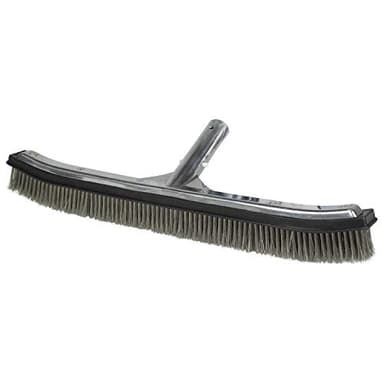
Poolmaster 18-Inch Stainless Steel Pool Algae Brush
Stainless bristles on a concrete pool are the step that makes the shock work, and the cheapest item in any of these roundups.
The published figure
18 in stainless steel bristles on an aluminum back, for gunite and concrete
Algae clinging to a wall is physically shielded from the water around it. Brushing first is what lets chlorine reach the organism rather than the film over it, which is why every ordered fix on this site puts brushing before dosing.
Stainless is for gunite, concrete and plaster only. On a vinyl liner it will cut, and you want nylon.
18 inches is the size that covers a wall in a reasonable number of passes without being unmanageable on a long pole.
What it does well
- Makes the shock dose that follows it materially more effective
- Costs a fraction of any chemical it improves
- Aluminum back resists the corrosion that kills cheap brushes
What it costs you
- Stainless bristles will damage a vinyl liner
- Pole sold separately
Skip it if your pool has a vinyl liner. Buy the nylon equivalent instead.
#ad · how this is funded · price as of October 9, 2026
Pick 5 - Clearing an algae bloom
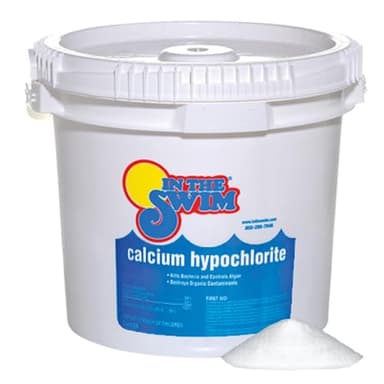
In The Swim Pool Shock, 68% Cal-Hypo Granular, 25 lb
The highest available-chlorine percentage in common retail cal-hypo, sold loose so you dose by weight instead of by packet.
The published figure
68% available chlorine, calcium hypochlorite, sold loose by the pound
68% available chlorine means 1 lb raises 10,000 gallons by about 8 ppm. A green pool typically needs 10 to 30 ppm depending on how far the bloom has gone, which is 1.2 to 3.7 lb per 10,000 gallons.
Loose granular is the format that lets you weigh a dose. Pre-measured 1 lb packets are convenient and fine for weekly maintenance, but they force you to round a shock dose to the nearest pound, which on a small pool is a 30% error.
Cal-hypo adds calcium hardness and no cyanuric acid. That is the right trade for a bloom and the wrong one for a pool that already sits above 400 ppm calcium.
What it does well
- 68% is the top of the common retail range, so you carry and store less product per ppm
- Loose granular lets you weigh an exact dose rather than round to a packet
- Adds no cyanuric acid, so shocking repeatedly does not drive you into chlorine lock
What it costs you
- Adds calcium hardness with every dose
- Must be pre-dissolved in a bucket for vinyl liners, which the label states
- A 25 lb bucket is more than a small pool will use in a season
Skip it if your fill water is already hard, or you own a small above-ground pool that will never work through 25 lb before the bucket cakes.
#ad · how this is funded · price as of October 9, 2026
When to stop treating and fix the surface
If the spots come back in exactly the same places after several full rounds, the chemistry is not what is failing. Black algae anchors into surface defects, and plaster that is rough, pitted or eroded in those spots is sheltering it from everything you apply.
At that point the durable answer is surface repair or resurfacing. That is a real, expensive answer and it is genuinely better than a fourth season of algaecide - which will cost more in total and will not work.
We do not cover resurfacing on this site and would not pretend to. It is a trade job, and it is the correct referral rather than something to talk you out of.
Preventing the return
- **Keep free chlorine steady, not spiky.** Black algae establishes during the gaps, and a pool that swings between 0.5 and 5 ppm has more gaps than one held at 2 to 3.
- **Watch cyanuric acid.** Above roughly 50 ppm your chlorine reading overstates what the chlorine is doing, which manufactures those gaps invisibly - see cyanuric acid.
- **Brush the rough areas weekly** even when nothing is visible. Grout lines and steps are where it starts.
- **Treat anything that entered another pool.** Black algae travels on floats, brushes and swimsuits the same way mustard algae does.
- **Dose a polyquat preventatively** once the water is clear and free chlorine is back to normal.
Questions people actually ask
How do I get rid of black algae in my pool?
Will shock alone kill black algae?
How long does black algae take to get rid of?
Do I need a copper algaecide for black algae?
Why does black algae keep coming back in the same spot?
Can black algae grow on a vinyl liner?
Sources
Every figure on this page traces to one of these. Where a number could not be sourced, the page says so rather than estimating.
- HTH Pool Care Algae Guard Advanced - product page, states coverage of green, black and mustard algae
- HTH Pool Care pH Down - product page, sodium bisulfate, states a 7.2-7.6 target and a 4-6 hour wait after shocking
- Michigan EGLE, Maximum Disinfectant Residuals and Operational Ranges: Guidance for Michigan Licensed Pools (December 2025) - quotes CDC MAHC 5.7.3.1.1.5.0, the EPA FIFRA label rule and the NSF 10 ppm application ceiling
- Skim & Soak methodology - the constants, formulas and worked examples behind every dose on this site
- Pool Mate Premium Black Algaecide, 60% polyquat - Amazon listing, read 2026-09-02
- In The Swim Black Algaecide, copper sulfate pentahydrate - Amazon listing, read 2026-09-02
- Poolmaster 5-Inch Stainless Steel Algae Detail Brush - Amazon listing, read 2026-09-02
Read next
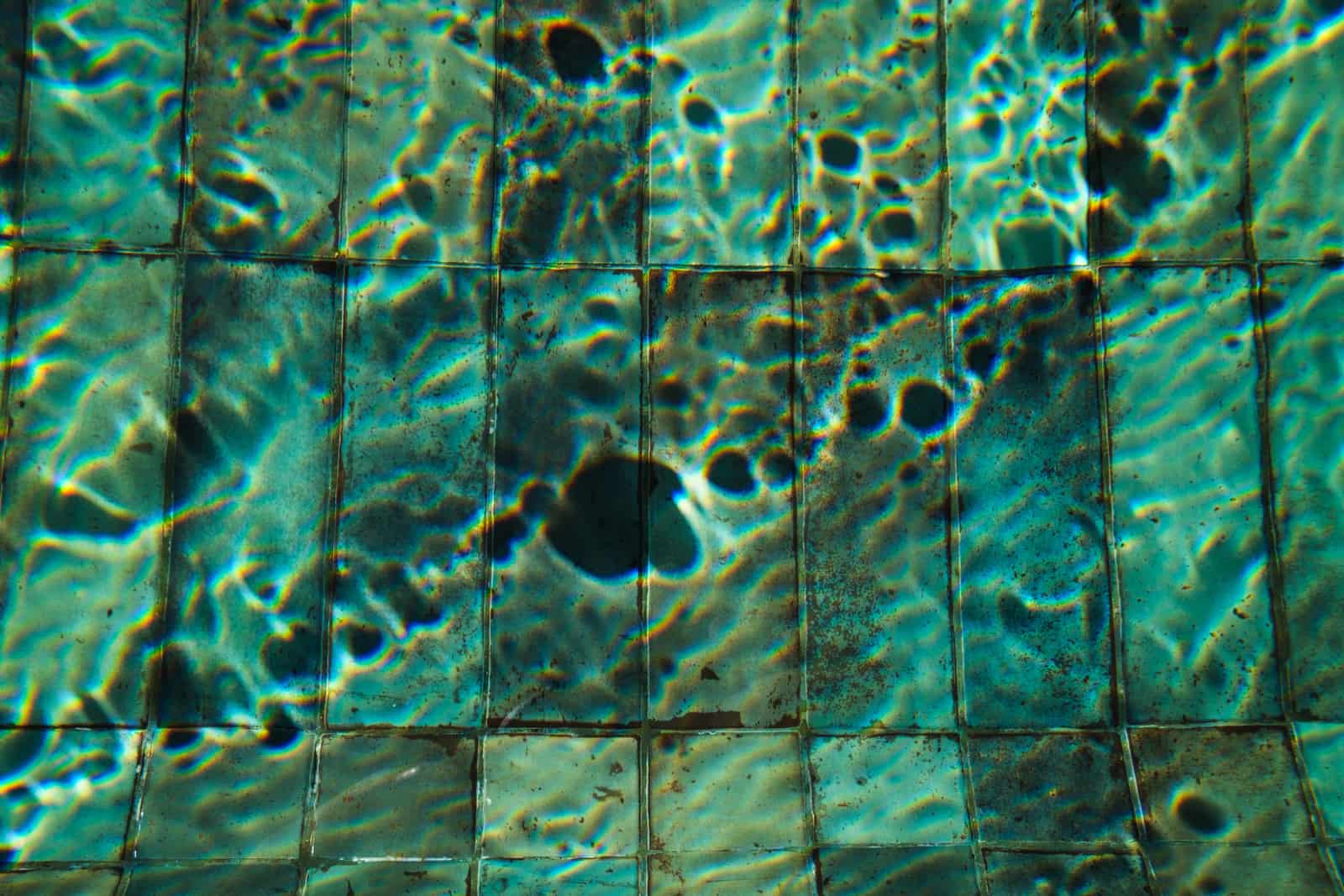
How to Identify Pool Algae
Where it grows and whether it brushes off are the two tests that separate green, mustard and black algae.
Best for mustard algae
How to Get Rid of Mustard Algae
Yellow, powdery, shade-loving and chlorine-tolerant. Treating the water without treating the equipment gives you a two-week cycle.
Top pick
United Chemicals YellowTreat Mustard Algaecide, 2 lb
Mustard algae specifically
#ad · how this is funded · price as of October 9, 2026
Best for prevention
Best Pool Algaecide
Polyquat 60 for prevention without staining, copper for black algae, and one combination product we would not buy.
Top pick
In The Swim Algaecide 60 Plus, 1 quart
Prevention without staining
#ad · how this is funded · price as of October 9, 2026
How to Clear a Green Pool Fast
The ordered fix: test, brush, shock by weight, filter continuously, clear the dead algae, then prevent the next one.